ORAL HYGIENE IN RIGA

Oral Hygiene

Healthy gums and a brilliant smile begin with professional care. At the AlMaDents clinic, we perform comprehensive cleaning following modern protocols, removing plaque and tartar even in the most hard-to-reach areas. The use of advanced AirFlow and ultrasound technologies guarantees a gentle treatment of the enamel and long-term protection against tooth decay.

Make an Appointment
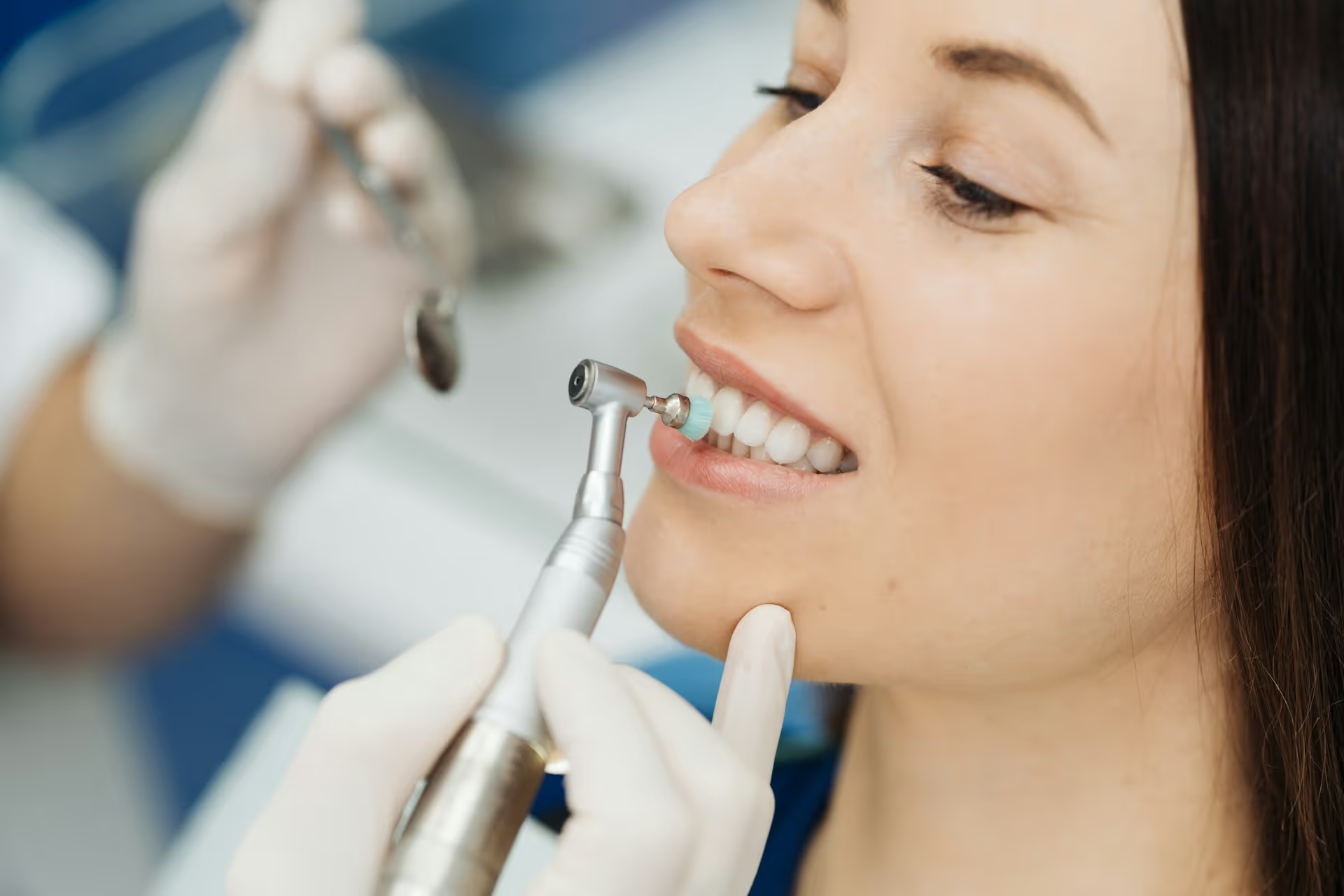
Dental plaque removal using the AirFlow method at Almadents clinic in Riga
Gum health
Natural whiteness
Fresh breath
Cavity protection
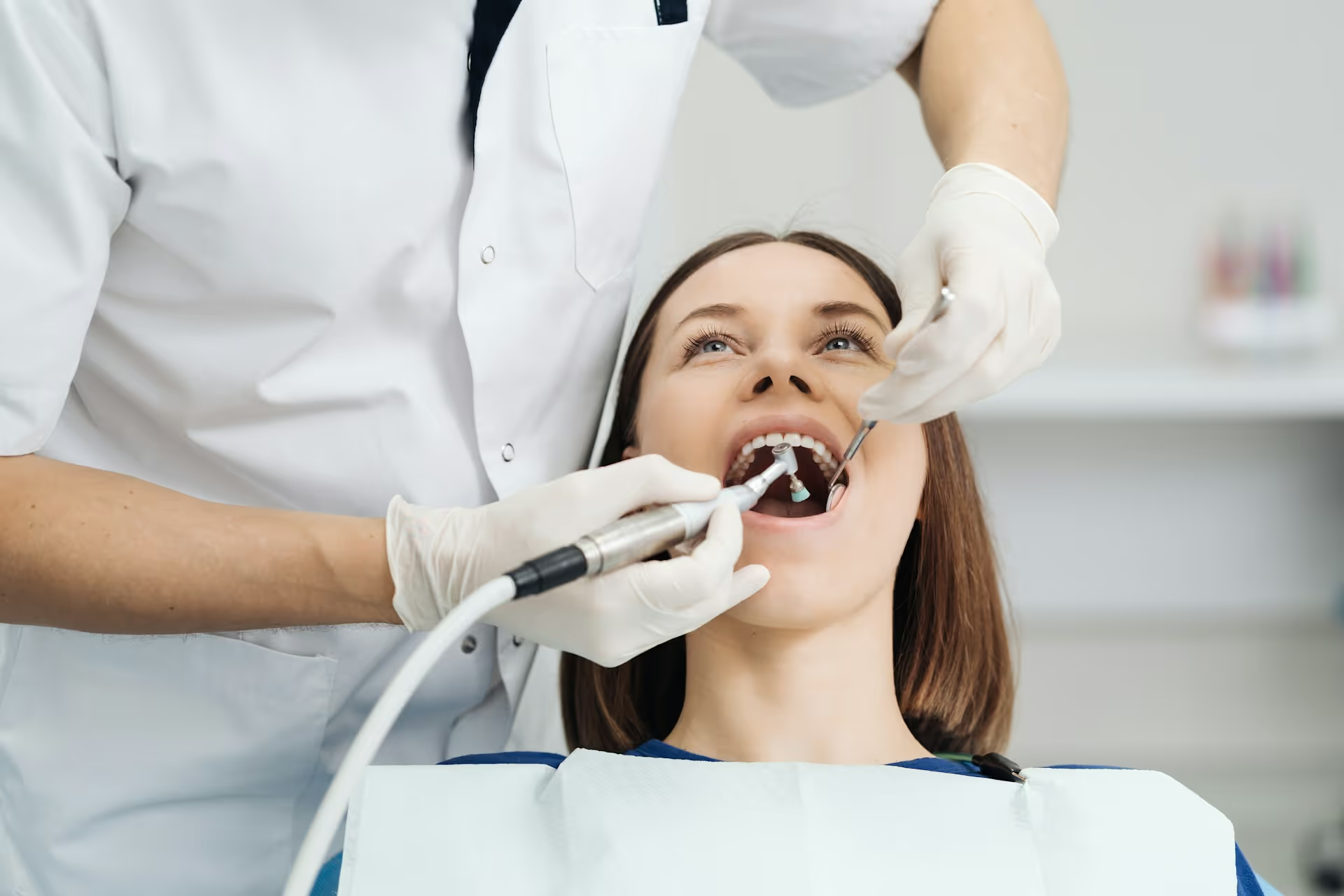
Dental hygiene procedure: plaque removal and polishing at Almadents dentistry

Professional hygiene — the key to healthy teeth

Professional hygiene at AlMaDents is more than just an aesthetic treatment; it is the foundation of your overall oral health. Even with thorough brushing at home, it is impossible to completely remove bacterial plaque from interdental spaces and gingival pockets. Over time, this plaque hardens into tartar (calculus), which triggers gum inflammation and bone loss. The procedure effectively removes pigmentation (from coffee, tea, or tobacco) and hard deposits, restoring the natural luster of your enamel.

When is professional hygiene necessary?

Preventive examination and cleaning are recommended for all patients twice a year; however, there are direct clinical signs indicating the need for an immediate visit to a hygienist.

Tooth Stains and Tartar

Removal of hard deposits and “smoker’s stains” that cannot be eliminated with a regular toothbrush at home.

Bleeding gums

Elimination of the bacterial factor that causes inflammation (gingivitis) and discomfort during brushing or eating.

Bad Breath (Halitosis)

Neutralization of bacterial buildup in hard-to-reach areas and periodontal pockets.

Preparation for dental treatment

Creating optimal conditions for treatment and accurate shade matching for fillings or crowns before restorative or prosthetic procedures.

Presence of braces or implants

Specialized care for orthodontic and prosthetic structures to extend their lifespan.

Planning for implants or extractions

Reducing the risk of infectious complications after surgical procedures through oral cavity sanitation.

How is the oral hygiene procedure performed?

01

Diagnostics and plaque biofilm imaging

The specialist evaluates the condition of the oral tissues and uses a professional disclosing agent to stain invisible plaque. This makes the biofilm visible to both the patient and the practitioner, highlighting areas that require targeted cleaning.

02

Ultrasonic scaling

An effective dental hygiene procedure where high-frequency vibrations break down hard supragingival and subgingival calculus. This method allows for the safe removal of tartar, eliminates bacteria, and helps prevent periodontitis.

03

AirFlow treatment

Removal of soft plaque and pigmentation using a jet of air-water mixture combined with fine powder. The teeth become 1–2 shades lighter.

04

Polishing and strengthening

Final polishing with professional pastes to prevent plaque adhesion, followed by the application of a fluoride varnish to reduce sensitivity and strengthen the enamel.

Service prices

Professional dental hygiene (1 quadrant)
20
Professional dental hygiene (1 arch)
35
Tartar removal (per 1 tooth)
5
Medication treatment of a periodontal pocket
2
Seal and Protect desensitizing varnish application (per 1 tooth)
5
All prices
A worry-free smile with zero discomfort

Trust your smile to the AlMaDents team

Make an Appointment

Why is oral hygiene so important?

90%
protection against diseases

Regular procedures prevent the development of cavities, gingivitis, and periodontitis at their early stages.

1–2
shades brighter

AirFlow technology effectively removes pigmented stains from coffee and tea, restoring the natural whiteness of your teeth.

45–60
minute procedure

In just one visit, you receive comprehensive professional care that cleans the areas that remain inaccessible to a toothbrush during daily home use.

0%
pain or discomfort

Modern technology allows for the gentle treatment of even the most sensitive teeth without traumatizing soft tissues, ensuring a flawless clean with no unpleasant sensations.

Frequently Asked Questions

Why do I need professional cleaning if I brush my teeth at home?

Even the most expensive toothbrush and meticulous technique cannot clean your teeth 100%. Plaque accumulates in hard-to-reach areas—such as interdental spaces and gum pockets. Over time, it hardens and turns into tartar (calculus), which is impossible to remove at home. Professional cleaning removes these deposits, preventing the development of cavities and gum diseases that a regular toothbrush simply cannot handle.

How long do the results last?

The feeling of cleanliness and smooth teeth lasts on average for 6 months. This is exactly the period during which plaque that is difficult to clean at home mineralizes and turns into tartar. However, several factors influence how long your results will last:
— Dietary habits: Frequent consumption of "staining" foods and drinks (strong tea, coffee, wine, soy sauce) accelerates the appearance of pigmented plaque.
— Smoking: Tars contribute to the rapid formation of dense "smoker's plaque," which is difficult to remove with a regular toothbrush.
— Quality of home hygiene: Using an oral irrigator, dental floss, and a properly selected toothbrush significantly extends the feeling of cleanliness.
— Biological factors: The composition of your saliva and the alignment of your teeth (e.g., crowding) also determine how soon you will need a follow-up visit.

Is it safe to have a professional dental cleaning during pregnancy?

Professional hygiene during pregnancy is not just permitted—it is essential for the health of both mother and baby. The optimal time for a visit is the second trimester (weeks 13–27). The procedure helps stop gingivitis and protects the enamel from cavities, which are often triggered by hormonal changes.

Is professional dental cleaning painful?

The procedure is highly comfortable, thanks to advanced equipment with gentle settings. For patients with high sensitivity, we apply topical anesthesia (a special numbing gel) or use local anesthesia to ensure you feel absolutely nothing.

How long should I wait to eat after dental cleaning?

We recommend refraining from eating for 1–2 hours. It is also advisable to follow a "white diet" for the first 24 hours: avoid staining foods (coffee, wine, beets, soy sauce), as the enamel is particularly susceptible to pigments during this time. We also suggest avoiding spicy, acidic, hot, or cold foods, as these can trigger increased tooth sensitivity.

Why is professional cleaning necessary before cavity treatment?

Professional hygiene before treating cavities is essential for removing tartar and plaque that may mask decay, interfere with the tight fit of a filling, and cause gum inflammation. Clean enamel allows the dentist to accurately match the shade of the filling material, ensure a strong bond between the filling and the tooth, and reduce the risk of secondary caries.