Oral Surgery
The surgical department at our clinic covers the full spectrum of procedures required to restore the health of the maxillofacial system. We perform everything from routine tooth extractions to high-tech surgeries, including sinus lifts, guided bone regeneration, periodontal surgery, and comprehensive preparation for implantation. By implementing advanced minimally invasive protocols, our specialists minimize any discomfort and significantly shorten the recovery period.
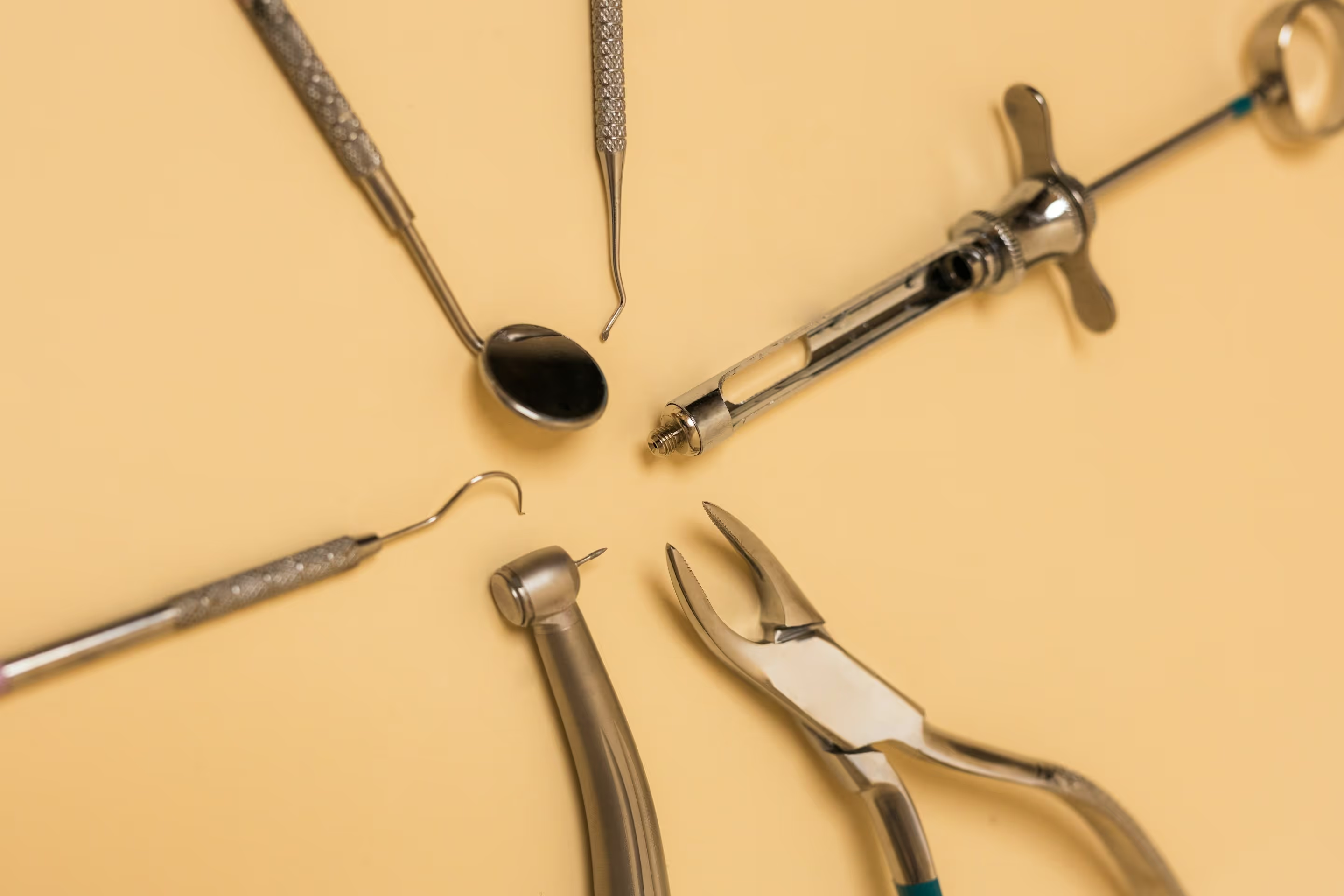

AlMaDents Surgical Services
Tooth Extraction of Any Complexity
The procedure is necessary in cases of severe decay or root fractures. Extraction allows for the elimination of the source of infection, alleviates pain, and creates optimal conditions for subsequent restoration of the dental arch through implantation.
Wisdom Tooth Removal
This procedure is performed in cases of pain, pressure on adjacent teeth, or the risk of inflammation. Timely extraction of "third molars" prevents tooth crowding and is often a mandatory step before orthodontic treatment to create the necessary space.
Bone Grafting and Sinus Lift
If the bone volume is insufficient for implant fixation, we perform bone augmentation procedures. This creates a solid foundation necessary for the stability of the future restoration and ensures long-term treatment outcomes.
Dental Implantation
The surgical stage of tooth restoration, featuring high-precision preparation of the bone bed. When necessary, implant placement is combined with bone grafting to achieve maximum structural integrity and functionality.
Wisdom Tooth Extraction
We follow a tooth-preserving approach, but when wisdom teeth threaten the health of the entire oral cavity, their removal becomes a necessity. We perform extractions according to strict medical standards using modern pain relief methods. This approach minimizes the risk of tissue trauma and allows patients to return to their normal routine as quickly as possible.
Why might a tooth extraction be necessary?
Wisdom tooth extraction may be required in cases where preserving the tooth poses risks to overall oral health. The primary reasons include:
Impacted Teeth
This is a condition where a tooth remains completely or partially submerged beneath the gum line. Such teeth often become a source of hidden issues: they pose a risk of deep-seated inflammation or the formation of follicular cysts, which can destroy the jawbone tissue.
Improper Growth and Positioning
Wisdom teeth often grow at an angle or horizontally. This leads to constant trauma to the buccal mucosa (inner cheek) and exerts destructive pressure on the roots of adjacent teeth, which can cause them to shift or become damaged.
Pain or Inflammation
Persistent discomfort accompanied by swelling, gum redness, and throbbing pain often indicates the presence of an infection. In such cases, extraction is necessary to stop the spread of inflammation and prevent further complications.
Lack of Space in the Jaw
If the jaw is too small for the "wisdom tooth" to erupt, it begins to crowd the entire dental arch. This leads to tooth crowding, bite misalignment, and can even cause the destruction of healthy adjacent teeth due to excessive pressure.
Caries and Crown Destruction
Due to extremely limited access, maintaining proper hygiene and providing effective treatment for wisdom teeth is often impossible. If a tooth is affected by deep caries, it becomes a persistent source of bacteria, making extraction the most reliable way to preserve overall oral health.
Pericoronitis
This is an inflammation of the "gum hood" (soft tissue) covering a partially erupted tooth. Food debris and bacteria become trapped under the tissue, causing significant swelling, acute pain, and sometimes difficulty opening the mouth.
Preparation for Wisdom Tooth Extraction
The success of the surgery and the ease of recovery largely depend on proper preparation.

Consultation and Detailed Diagnostics
First, an examination is performed by a dental surgeon, and a jaw X-ray is taken. This is necessary for the doctor to accurately assess the tooth's position and its root structure before starting the procedure.

Medical History and Prevention
Patients must inform the doctor in advance about any allergies or chronic conditions to ensure all necessary precautions are taken. In certain cases, the dentist may prescribe antibacterial medication to be taken a few days prior to the scheduled surgery.

Dietary Recommendations and Restrictions
It is recommended to completely avoid alcohol consumption the day before your clinic visit. You should also refrain from fatty and heavy, hard-to-digest foods.

General Well-being
It is important to arrive for your procedure in good physical condition, avoiding dehydration and stress. It is also recommended to limit intense physical activity on the day before your appointment.
Wisdom Tooth Extraction Stages
Preparation and Local Anesthesia
The primary goal is to eliminate any sensation of pain while the patient remains fully conscious.
Anesthesia: A modern local anesthetic is administered to the treatment area, temporarily blocking nerve impulses. This ensures total comfort and a pain-free experience.
Sterilization: Once the gums are numb, the surgeon treats the soft tissues and the surrounding area with an antiseptic solution to ensure maximum sterility.
Creating Surgical Access
This stage is necessary if the tooth is deep within the tissues or hidden beneath the gum line.
Soft Tissue Management (if required): The surgeon makes a precise incision in the gum and gently moves it aside to gain a clear view of the target area.
Removal of Bone Fragment (if required): If the roots are curved or impacted in the jawbone, a small portion of bone tissue may need to be removed using minimally invasive instruments to facilitate the extraction.
Extraction
Once the root becomes accessible, the surgeon proceeds with its removal. Depending on the clinical situation, the tooth is either extracted in one piece or divided into fragments if the case is considered complex.
Using specialized instruments (forceps or elevators), the surgeon gently detaches the tooth from the ligaments and removes it from the bony socket. Complex anatomy or a damaged root structure requires particular caution and strict adherence to the surgical sequence.
Completion of the Procedure
In the final stage, the surgeon performs a thorough antiseptic treatment to prevent infection. If incisions were made or tissues were damaged during the surgery, sutures are applied — these help stop bleeding, protect the wound from external irritants, and significantly speed up the healing process.
For additional protection, a specialized gauze or dressing may be placed in the socket. Finally, the doctor provides aftercare instructions and, if necessary, prescribes a course of medication to ensure a comfortable and speedy recovery.