Aesthetic dentistry

Aesthetic tooth restoration

A complex of procedures aimed at restoring the natural shape, color, and function of teeth using modern biocompatible materials. This is not only a medical procedure but also an investment in your confidence: a flawless smile contributes to social success and provides psychological comfort.
Make an Appointment
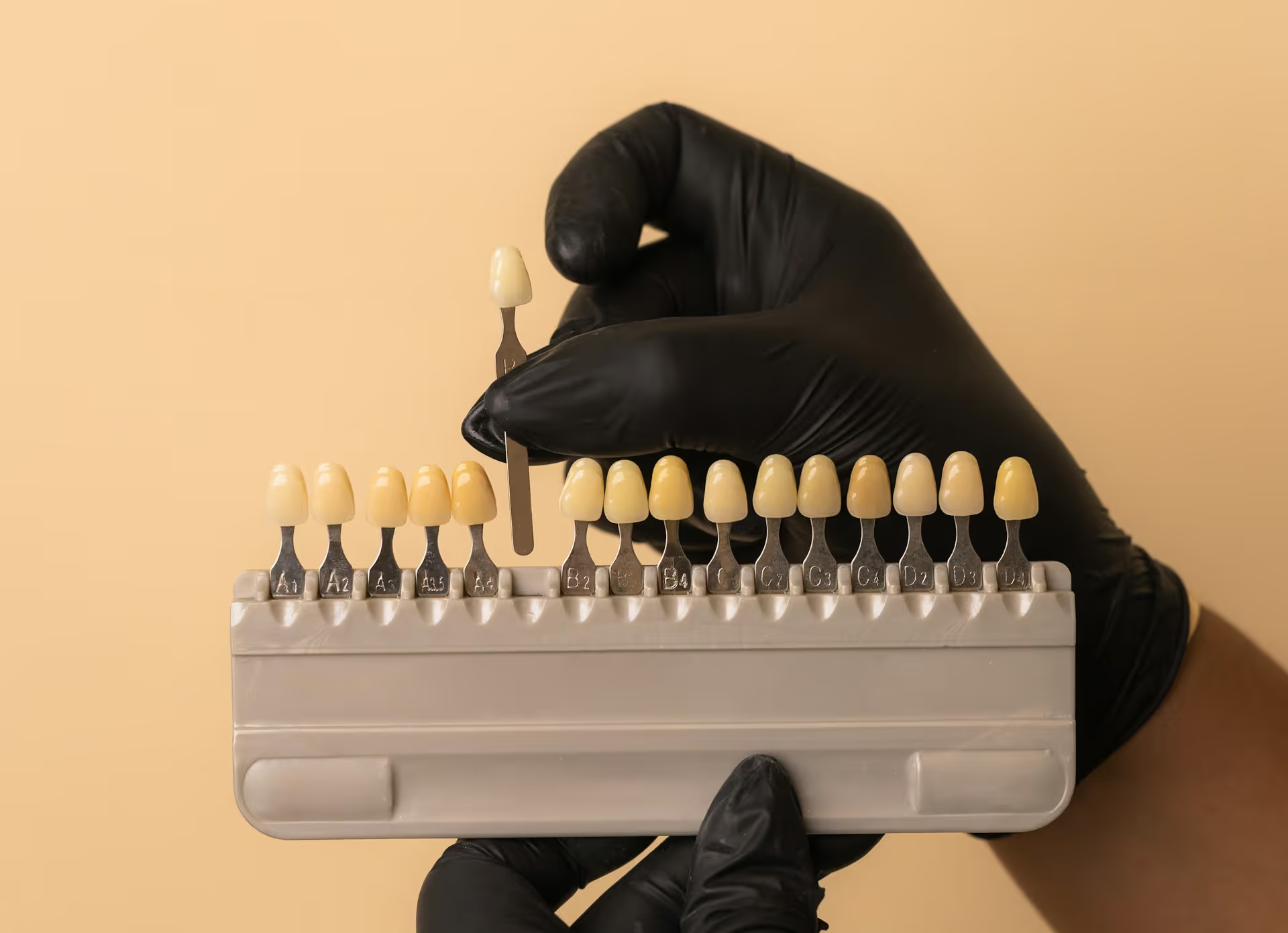
Tooth shade palette for aesthetic restoration and fillings
Long-lasting result
Natural-looking teeth
Anatomical design
Perfect shade

Main indications for aesthetic restoration

Enamel cracks and chips

Restoring tooth integrity after trauma or age-related changes to prevent further decay.

Discoloration and pigmentation

Elimination of deep or intrinsic stains that cannot be corrected by conventional whitening.

Diastemas and teeth spacing

Aesthetic closure of gaps between teeth to create a harmonious and aligned dentition.

Irregular tooth shape

Correction of the length, width, or rotation of teeth to create the perfect “smile line” and correct dental anatomy.

Pathological tooth wear

Restoration of the natural height and anatomical shape of teeth lost due to excessive stress or age-related changes.

Replacement of old restorations

Replacing worn, discolored, or leaking fillings with modern aesthetic materials.

Enamel hypoplasia and erosion

Correction of structural defects and enamel damage, restoring smoothness, a healthy shine, and protection to the teeth.

Gingival recession (exposed roots)

Aesthetic masking of gingival recession and elimination of increased sensitivity in the cervical area. However, the best solution is a combination of restorative treatment and surgical gum grafting.

Main types of aesthetic dental restorations

Veneers and lumineers

Thin ceramic shells bonded to the front surface of teeth to mask defects in color, shape, or minor misalignments.

Ceramic inlays and onlays

Used in cases of 30–50% destruction of posterior teeth. Unlike conventional fillings, they are much stronger, do not shrink, and precisely restore the natural anatomy of the tooth.

Dental crowns

An effective alternative to fillings when more than 50% of the tooth is damaged. A crown strengthens the tooth structure, fully restores chewing function and aesthetics, helps prevent fracture of the tooth walls, and preserves the root.

Stages of aesthetic dental restoration

01

Diagnostics

At the first stage, a thorough examination of the teeth and the entire oral cavity is carried out. Using modern technologies, an accurate digital model is created to assess the condition of the teeth and plan further treatment according to the patient’s individual needs.

02

Consultation and treatment planning

After diagnostics, the dentist provides a detailed consultation to discuss possible options for aesthetic correction. The advantages of each method are explained to the patient to ensure a collaborative choice of the most suitable solution.

03

Preparatory stage

Depending on the chosen method, the teeth are prepared accordingly. For example, when placing veneers, enamel reduction may be required.

04

Placement and final adjustment

At the final stage, the fabricated restoration is permanently bonded. The dentist verifies the bite and, if necessary, adjusts the shape to achieve the most natural, comfortable, and aesthetic result.

Service prices

- Aesthetic Tooth Crown Restoration
200
Composite onlay
250
Inlay
465
Zirconia crown on implant
950
All prices
A worry-free smile with zero discomfort

Trust your smile to the AlMaDents team

Make an Appointment

Frequently Asked Questions

Is it possible to restore only one front tooth so that it doesn’t stand out?

Yes, it is possible — and this is a fairly common practice. Modern materials and technologies make it possible to precisely match the color, translucency, and shape so that the tooth looks as natural as possible and does not differ from the adjacent teeth. This is especially well achieved using layered composite restoration techniques or ceramic solutions.

Can I choose the color of my teeth myself, or will the dentist decide for me?

The choice of tooth color is always a joint decision. The dentist will suggest which shade will look most natural for your individual appearance, but the final decision is yours. We can achieve either a natural shade or a striking “Hollywood white” look, depending on the clinical situation.

Can cavities develop under a crown or veneer?

Yes, it is possible, but not “under the restoration itself,” rather at the margin between the tooth and the restoration. Most often this happens if:
— there are gaps or poor fit of the restoration
— poor oral hygiene is maintained
— the restoration was placed on a tooth that already had problems
How to prevent it?
With high-quality work, the risk is reduced to almost zero:
— all affected tissue is removed before placement
— restorations are manufactured with high precision (especially with digital modeling)
— modern adhesive materials are used
What is important for the patient:
— regular hygiene (toothbrush, floss, irrigator)
— preventive dental check-ups 1–2 times a year
— professional dental cleaning
If everything is done correctly and proper hygiene is maintained, decay under veneers or crowns is rare rather than the rule.

Will I need to restrict my diet (for example, avoid apples or coffee)?

Modern materials are very durable. It is only recommended to avoid excessively hard foods (such as biting into nuts or ice). As for coffee and wine — high-quality ceramics do not stain at all, while composite restorations require regular professional polishing to maintain their color.

What should I do if a chip appears on a restoration?

If a chip appears on a restoration, it is not critical and is usually easy to fix. Minor damage to a composite restoration can be repaired directly at the dentist in a single visit — the doctor will add material and polish the surface. If it is a veneer or a larger chip, repair or replacement of the restoration may be required; the situation is assessed individually, but in most cases the issue can be resolved without fully replacing the restoration. It is important not to delay the visit in order to prevent further damage and maintain the tooth’s aesthetics.

Can dental restoration “rejuvenate” the face?

Yes, dental restoration can create a so-called “dental lifting effect.” Here is how it visually rejuvenates the face:
— Smooths wrinkles: restoring worn-down tooth height re-establishes support for the lips and cheeks, reducing lines at the corners of the mouth.
— Lifts facial contours: proper shape of the posterior teeth supports soft tissues and helps prevent sagging of the cheeks.
— Refreshes skin tone: brighter teeth reflect light, making the complexion appear healthier and more radiant.
— Creates a “younger smile”: lengthening of the front teeth, which naturally wear down with age, instantly signals youthfulness.